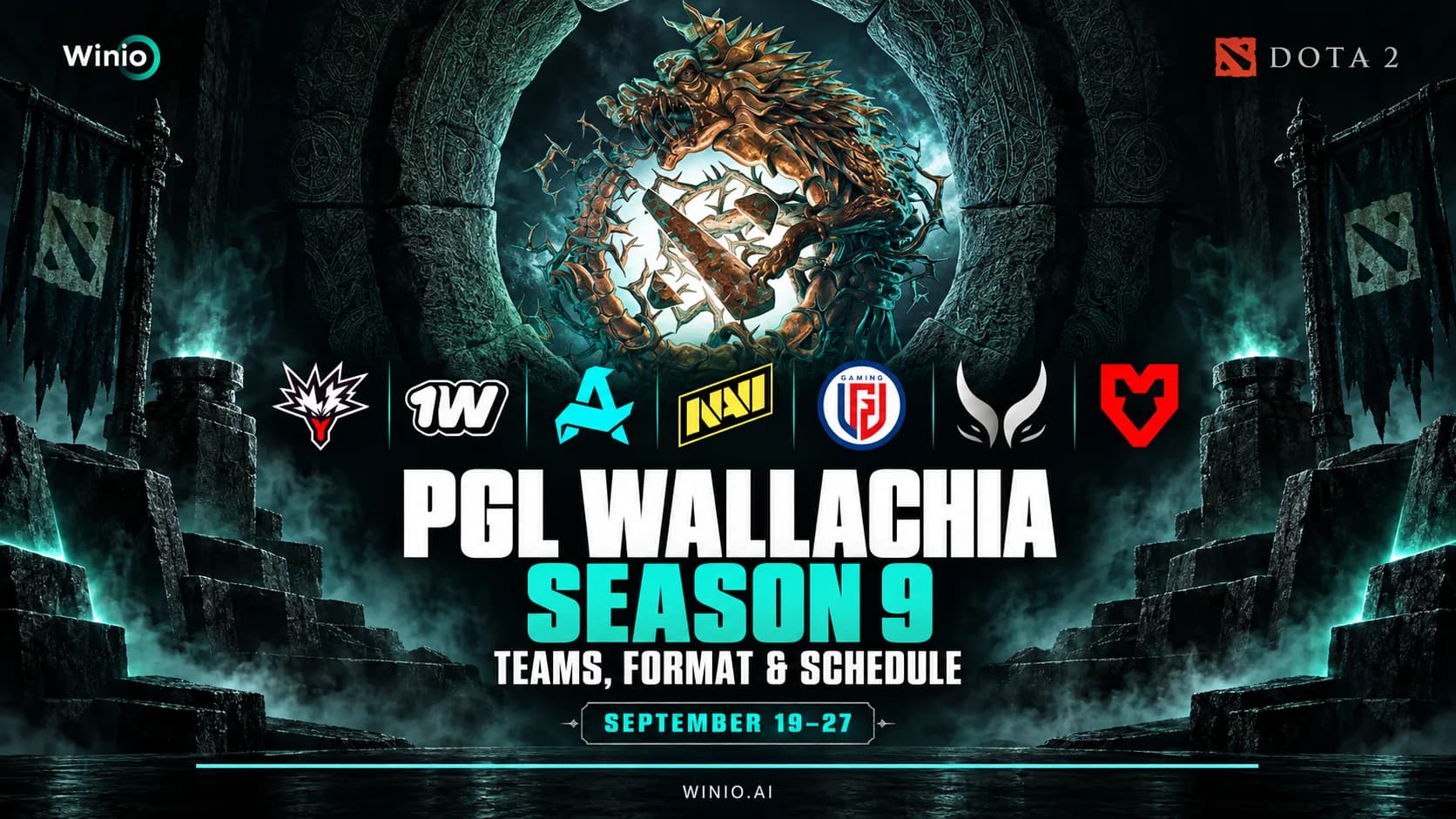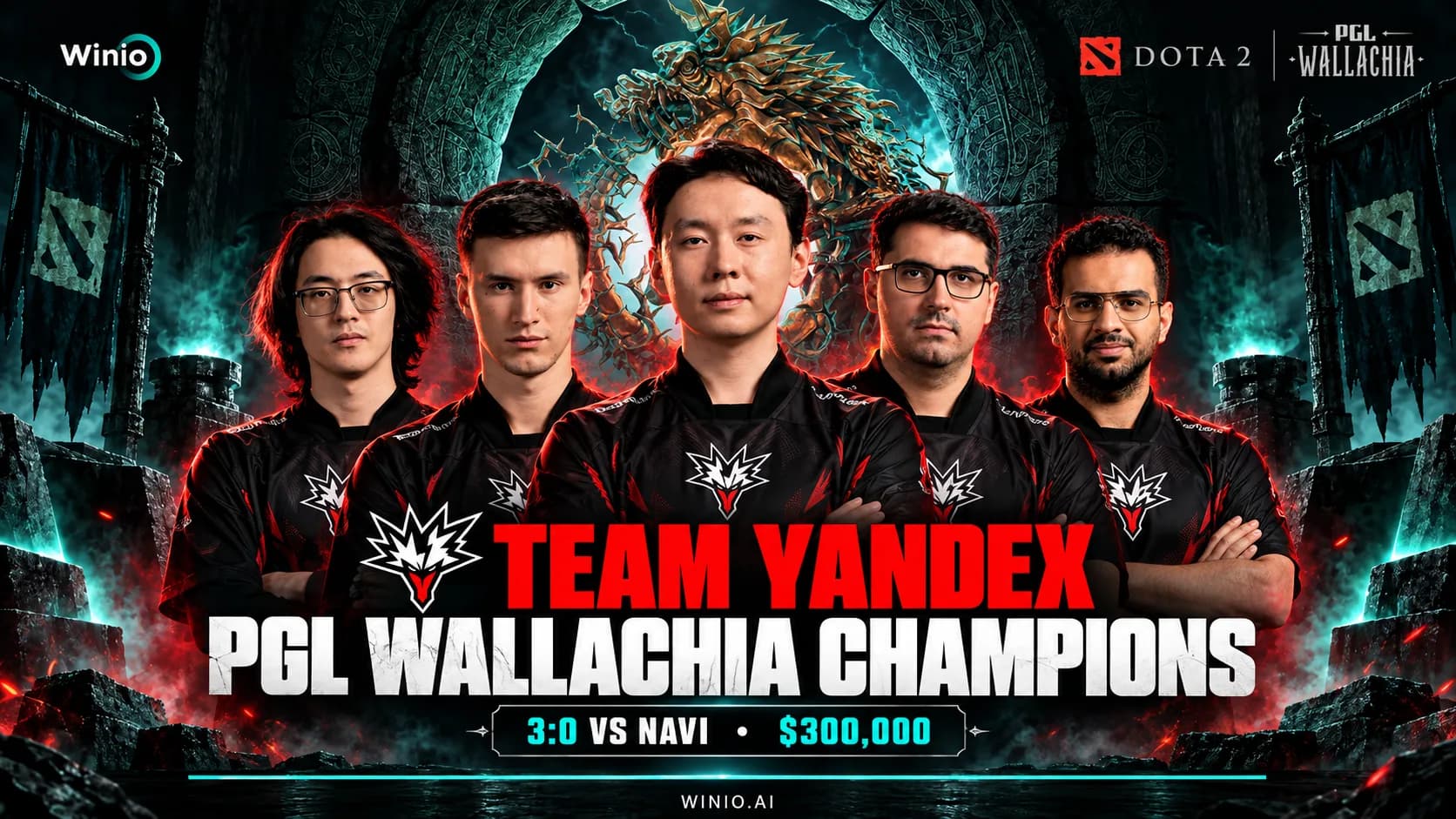
PGL Wallachia Season 9 Results: Team Yandex Win, NAVI Surprise
Team Yandex swept NAVI 3:0 to win PGL Wallachia Season 9. We analyze the champions, NAVI’s final run, surprises and disappointments.
September 28, 202607:28 AM8 min


Dota 2 has developed a well-established system of roles. Over time, players have tried various approaches: playing in a triple lane, sending heroes into the jungle. All of this made sense and helped draw conclusions. But in modern Dota 2, the setup with positions 1 through 5 has become standard. In this article, you’ll learn everything about positions, their tasks, goals, and differences.
Positions are a concept that describes the importance of heroes on the map. The number indicates a player’s farming priority. The lower the number, the higher the position’s priority for farming under equal conditions.
A position also indicates where a player is located during the laning phase. The carry (1) stands alongside the full support (5) on the easy lane. The mid (2) is in the central lane. The hard laner (3) and semi-support (4) are on the difficult lane.
The first three roles in Dota are commonly referred to as core positions, as they receive the most resources and deal the bulk of the damage for the team. The fourth and fifth positions are supports, who help the core heroes develop.
Let’s compare the carry and the support. Although both influence the game, it is the carry who must kill enemies and destroy structures. This doesn’t mean that nothing depends on the support, but it highlights the importance of the positions that farm more.
PR Universe
Tomorrow 15:00
 Team YandexTeam Liquid
Prediction: Team Liquid
PR Universe
Today 12:00
Team LiquidOG
The main role on the team. The primary task of players in this role is to acquire a critical mass of items and win the game. To achieve this, carry players must farm from the start of the game.
During the laning phase, mage carries are strong, but after the lane phase, they have to hide in the jungle and finish building their items. A strong position 5 hero is nearby on the lane, helping to dominate the enemy and acquire early items for subsequent farming in the jungle.
Main tasks of a carry:
Meta Carries in Patch 7.41a
Spectre
Wraith King
Lifestealer
Phantom Lancer
Bloodseeker
The mid laner is the hero who sets the pace for the entire game. A character who can already come and kill opponents during the laning phase, and after laning runs across the map with supports to impose their playstyle.
Early access to their ultimate and active runes help them in these tasks. Winning the mid lane largely determines the entire mid-game, so supports often group up near the runes to assist their second position.
Main mid laner objectives:
Meta mid laners in patch 7.41a
Broodmother
Invoker
Largo
Meepo
Marci
A hero who acts as an initiator or tank for the team. Typically, trios perform one of these roles, or both at once.
The first role is initiation: it’s advantageous to start a fight and kill an important enemy. The second role is to act as a tank: buy auras and build survival items to draw the enemy’s attention and absorb a lot of damage.
Players in this role usually buy essential starting items, such as Blink Dagger and Blade Mail for Legion Commander, and help the team create space for the carries.
Main tasks of an offlaner:
Meta offlaners in patch 7.41a
Razor
Legion Commander
Axe
Pudge
Largo
A versatile hero capable of fulfilling multiple roles. During the laning phase, he can leave his lane and go to other lanes to assist.
Most often, he takes the experience rune at the 7-minute mark and is the second to get his ultimate after the midlaner. He doesn’t require a large number of items and can serve as both an initiator and a support for the team.
During the game, he roams to place wards and helps create space. He can buy relatively expensive items, such as Blink Dagger and Pipe of Insight, depending on the situation.
Main tasks of the four:
A full support hero. This hero’s main task on the lane is to help their carry level up and buy jungle farm items by any means necessary. In the current meta with strong carries, the carry feels comfortable and can afford early-game items.
In-game, the hero mainly stays in the back and assists the team by granting buffs, providing save items, and using skills. Outside of fights, the hero must place vision wards across the map and destroy enemy wards.
Most commonly purchased items for this hero include: Force Staff, Glimmer Cape, Solar Crest, and other team-oriented items. The hero barely farms and constantly helps teammates, unless he is dealing significant damage to enemies.
Main tasks of the support:
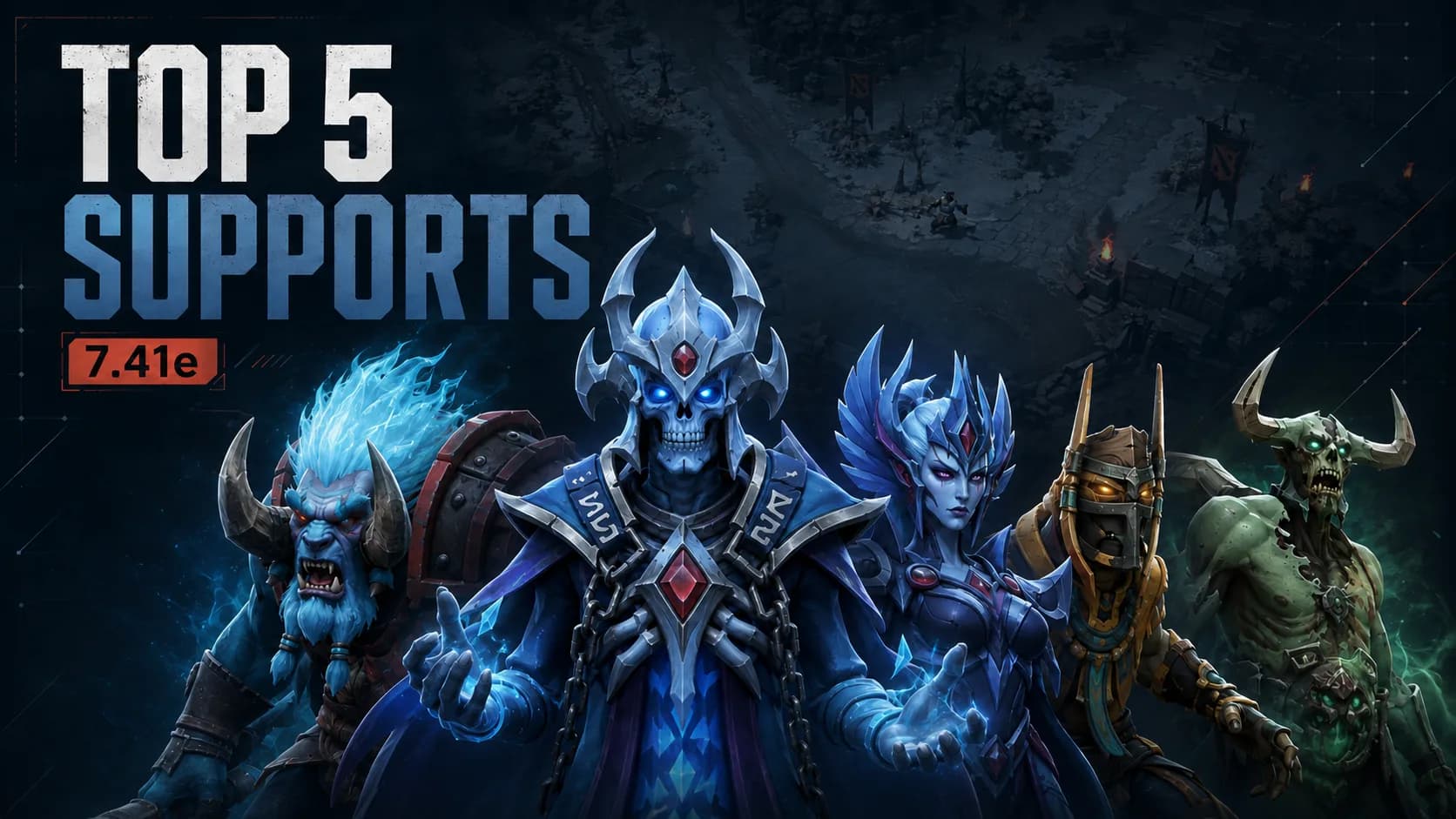
Meta supports in patch 7.41a
Witch Doctor
Omniknight
Shadow Shaman
Lich
Dazzle
All roles in Dota are important and interesting, but which one is right for you? The answer is simple: try them out. To figure out which role interests you the most, you need to try them all and compare the experience. Each role has its pros and cons, which may not be obvious at first glance.
Pros: This is the most crucial role in the game, and the outcome of the match often depends on it. In this role, you’ll literally see victory being forged by your own hands. In many ways, the entire team’s victory depends on you, and that’s a huge responsibility.
Cons: This role requires a lot of farming. While the team is fighting, you’ll have to spend time in the jungle with creeps. If the enemies overwhelm you and go to destroy structures, you won’t have time to unlock your hero’s full potential and will lose without ever reaching your peak power.
Pros: This hero gets his ultimate the fastest and has access to runes. This makes him the strongest on the map early in the game, and he can single-handedly decide the outcome of the entire early game.
Cons: Mid is the most difficult lane. Any mistake is critical, because if the enemy mid laner outfarms you, he’ll go to other lanes and ruin the game for your teammates. Additionally, extra heroes often come to mid, and you need to be prepared for that.
Pros: The hero can win games single-handedly. A well-executed initiation takes out the enemy’s key heroes and gives your team the opportunity to easily take out the rest. The role is balanced between farming and team fights and isn’t as sought-after as positions 1 and 2, so you won’t have to wait 10 minutes for a game.
Cons: Even though you’re a core hero, you’re last in line. You have to let others farm first and sometimes look for gold in dangerous areas. Not everyone likes collecting auras and playing for the team or initiating fights, after which you sometimes have to watch your team’s victory from the tavern.
Pros: The hero is versatile and has many options. Can both farm and fight with the team. Can provide vision and handle any tasks on the map.
Cons: At low ranks, supports aren’t respected. Even though you can do everything, you still have to help the team and rely on them.
Pros: The hero is strong during the laning phase. In some matchups, he can fight opponents one-on-two, pushing them away from the carry. You control the main vision on the map, and a button pressed at the right moment can save an ally’s life.
Cons: Like the mid-laner, the full support isn’t considered a full-fledged hero at low ranks. Even if you place perfect wards and squeeze 110% out of your hero, you can still lose because you aren’t killing enemies or destroying structures.
Summary:
To choose the right role, you need to play all of them and see which one you like best. Over time, you can switch roles and retrain, but this might cost you a couple hundred MMR.
Every role in Dota is important and interesting. One role might suit some players, while another suits others. It’s important to analyze the pros and cons of each role and understand their objectives in the game. Our team operates in a similar way; we generate AI predictions for esports matches based on player and team statistics. Head over to Winio and claim 5 free predictions.
The Dota 2 positions by number indicate a hero’s priority in earning gold. The lower the position number, the more gold the player receives. For example, position 1 in Dota 2 has the highest priority for resources, while position 5 receives the least gold and primarily supports the team.
There are five roles in the game: carry (1), mid (2), offlaner (3), semi-support (4), and full-support (5). The first three roles are called core roles in Dota because they receive the most resources and deal the majority of damage.
Typically, positions on the Dota 2 map are distributed as follows: the carry (1) and full support (5) are on the easy lane, the mid (2) plays in the center of the map, and the offlaner (3) and semi-support (4) are on the hard lane.

Team Liquid
OG
Team Yandex

1w Team

Nemiga Gaming

Inner Circle

PARIVISION

BetBoom Team
OG

GamerLegion
Prediction: OG wins
Team Yandex
Team Liquid
Prediction: Team Liquid wins

Team Spirit
PARIVISION
BetBoom Team

LEGION
Team Liquid
OG
Team Yandex
1w Team
Nemiga Gaming
Inner Circle
PARIVISION
BetBoom Team
OG
GamerLegion
Prediction: OG wins
Team Yandex
Team Liquid
Prediction: Team Liquid wins
Team Spirit
PARIVISION
BetBoom Team
LEGION
Team Liquid
OG
Team Yandex
1w Team
Nemiga Gaming
Inner Circle
PARIVISION
BetBoom Team
OG
GamerLegion
Prediction: OG wins
Team Yandex
Team Liquid
Prediction: Team Liquid wins
Team Spirit
PARIVISION
BetBoom Team
LEGION