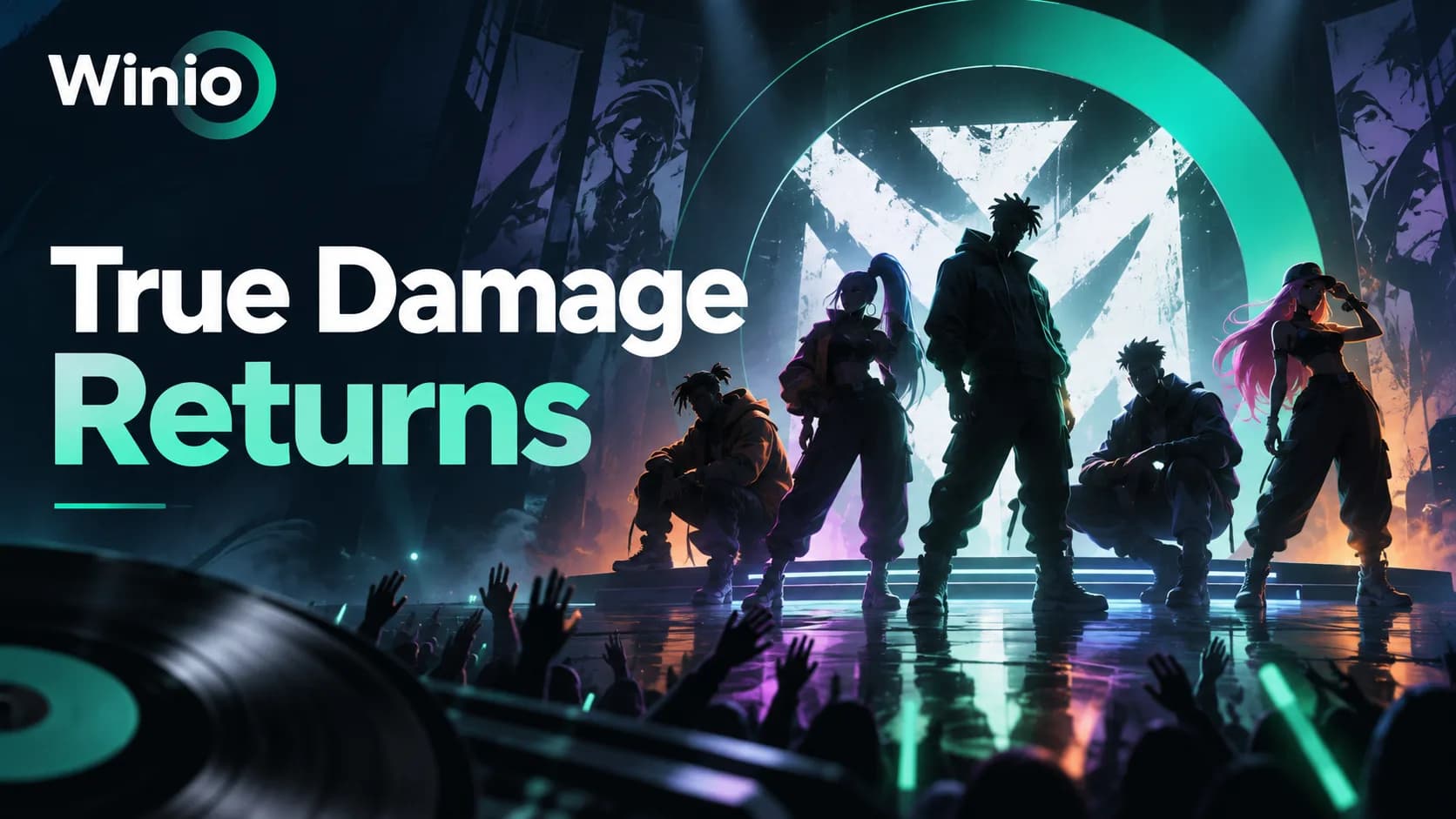
New True Damage Skins Revealed
True Damage returns in Patch 26.21 with new skins for Akali, Ekko, Qiyana, Senna and Yasuo.
October 8, 202601:58 PM5 min

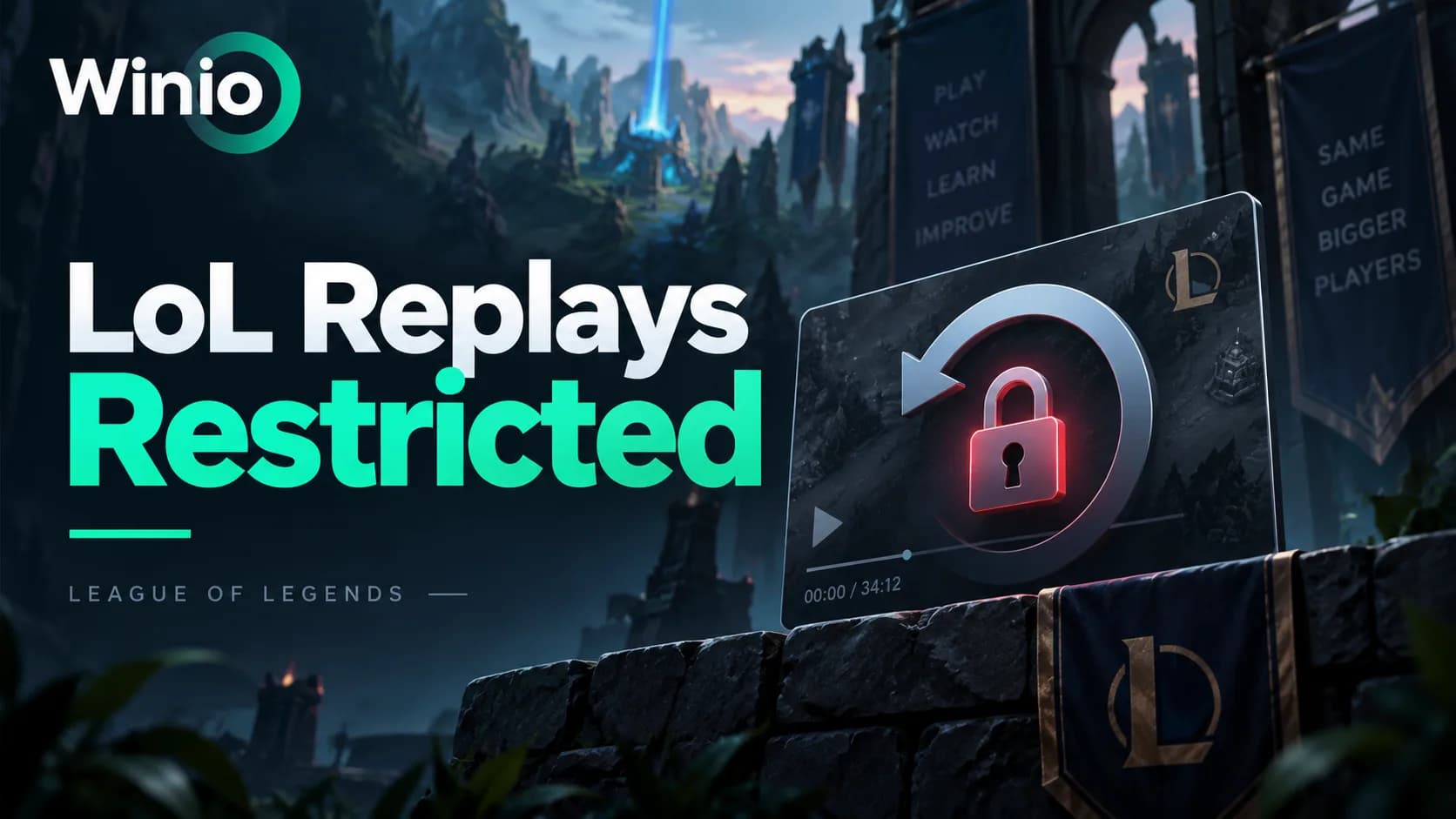
League of Legends replays have become significantly more private with Patch 26.20. Players can now access replay files only for matches they personally played in. Other players can no longer download your replays, while third-party apps and websites have lost access to League replay downloads entirely. Riot says the restriction is part of a wider security push designed to close vulnerabilities that have been exploited to build unauthorized tools around League game data.
Before Patch 26.20, replay access could extend beyond the players directly involved in a match. That is no longer the case.
The new rules are straightforward:
The change went live as part of Patch 26.20.
Circuit Brazilian League of Legends
Tomorrow 19:00
 FURIALØS
Prediction: LØS
EMEA Masters
Tomorrow 19:00
 Anubis GamingKarmine Corp Blue
Yes. Riot specifically confirmed that players can continue downloading and watching their own matches through the League client. That means the standard use case for personal VOD review remains intact. If you want to study your laning, analyze a teamfight or review mistakes from your own ranked game, the built-in replay workflow is still available. The restriction primarily changes who else can access the replay.
The change is tied to security. Riot says replay restrictions are being introduced alongside tighter controls on third-party access to game memory. According to the Patch 26.20 notes, security vulnerabilities around League game data had recently been exploited by cheat developers and other bad actors to create unauthorized tools.
Blocking external replay downloads reduces one route through which game information can be collected and processed outside Riot's intended systems. This does not mean that every application using League data is considered malicious. The change specifically limits replay downloads and forms part of a broader effort to reduce unauthorized access to game data.
Any service that relied directly on downloading replay files will need to adapt to the new restriction. That can affect tools built around automated replay processing, external VOD analysis or systems that previously obtained matches without the player downloading the replay themselves. It does not mean every League companion app or statistics website will stop working.
Many services use Riot's official APIs or other approved data sources rather than downloadable replay files. The important distinction is the data source. Patch 26.20 removes third-party replay download access, not every form of third-party League integration.
No. Even if another player knows that a match took place, Riot says they can no longer download your replay unless they participated in that game themselves. That makes replay access match-participant based rather than broadly available. For regular players, this represents a meaningful privacy change as well as a security change.
Patch 26.20 is best known as the Worlds patch, with professional-focused champion and item tuning ahead of Worlds 2026. But the replay restriction shows that some of the update's most important changes happen outside champion balance. Riot is also changing how League data can be accessed externally, which could have longer-term consequences for analytical tools and services built around game information. The immediate player experience remains simple: your own VODs are still available, but outside access is now much more restricted.
The main question is how third-party developers respond. Tools that depended on direct replay downloads will need another supported workflow, while services using Riot-approved data sources may be affected much less or not at all. For players, the important part is that personal replay review remains available in the client.
You can also use Winio to explore League of Legends match predictions and analysis around completed competitive games without relying on access to another player's replay file.

FURIA
LØS
Prediction: LØS wins
Anubis Gaming
Karmine Corp Blue

G2 NORD

Solary
Prediction: Solary wins
FURIA
LØS
Prediction: LØS wins
Anubis Gaming
Karmine Corp Blue
G2 NORD
Solary
Prediction: Solary wins
FURIA
LØS
Prediction: LØS wins
Anubis Gaming
Karmine Corp Blue
G2 NORD
Solary
Prediction: Solary wins