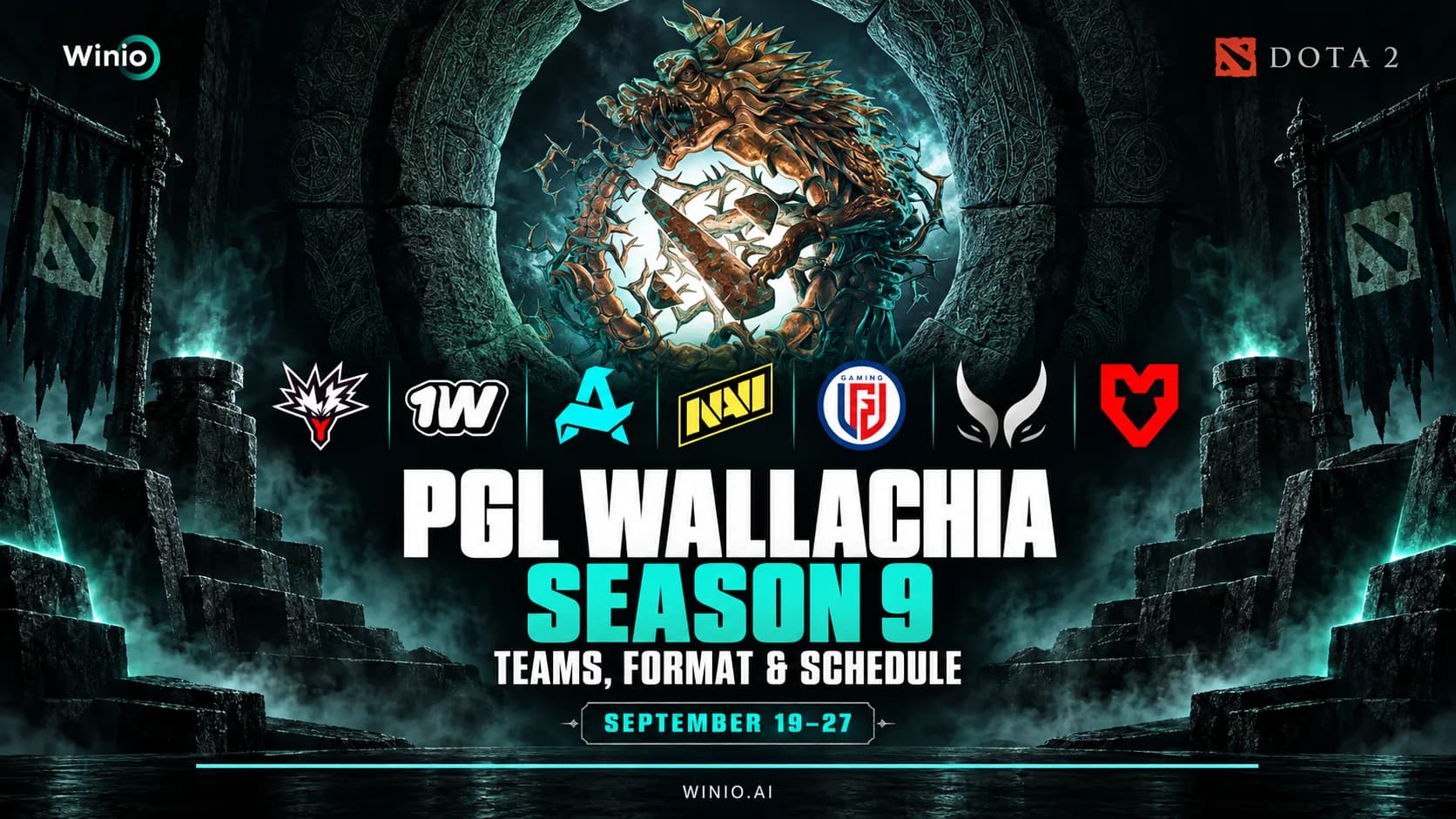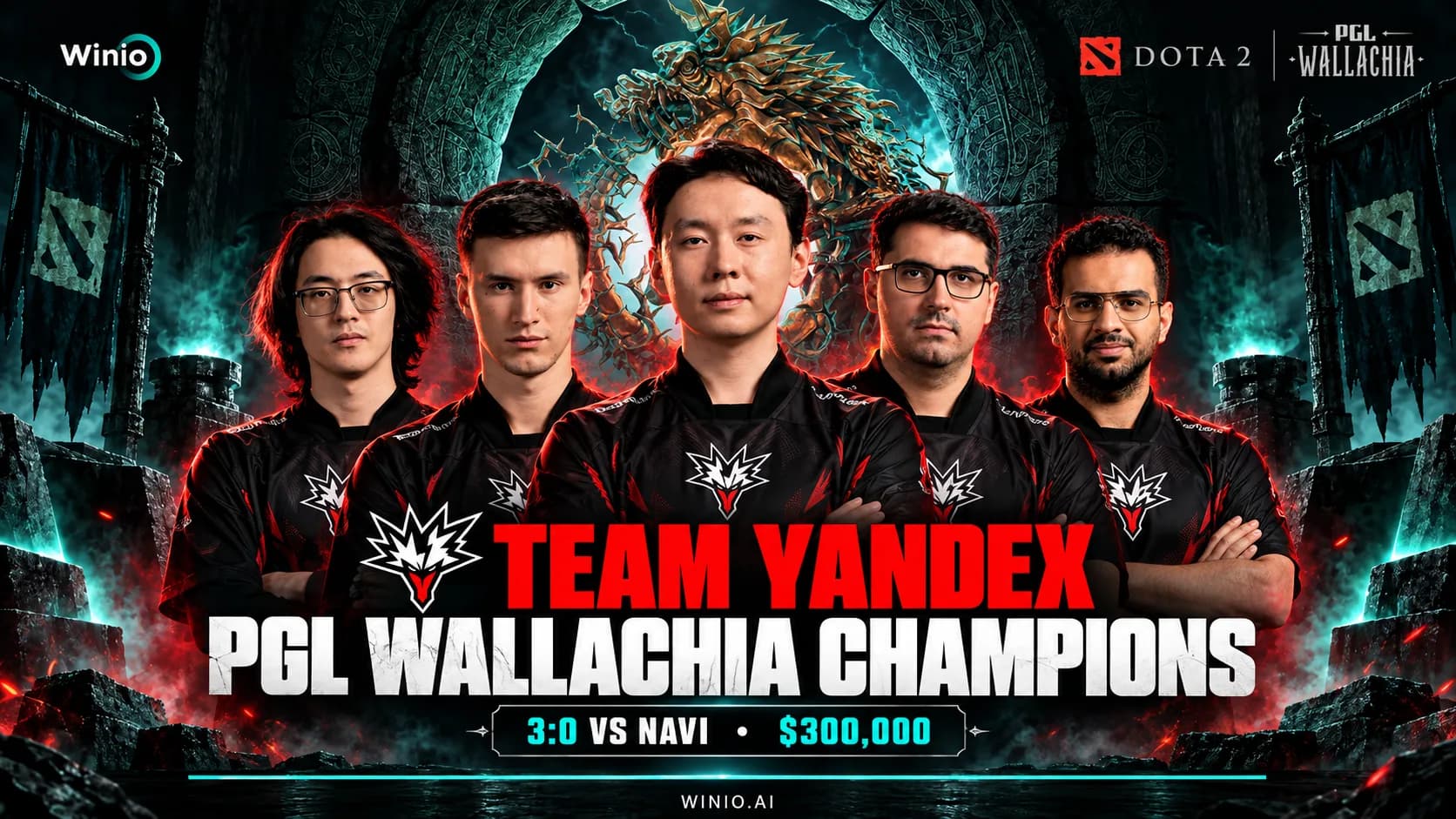
PGL Wallachia Season 9 Results: Team Yandex Win, NAVI Surprise
Team Yandex swept NAVI 3:0 to win PGL Wallachia Season 9. We analyze the champions, NAVI’s final run, surprises and disappointments.
September 28, 202607:28 AM8 min

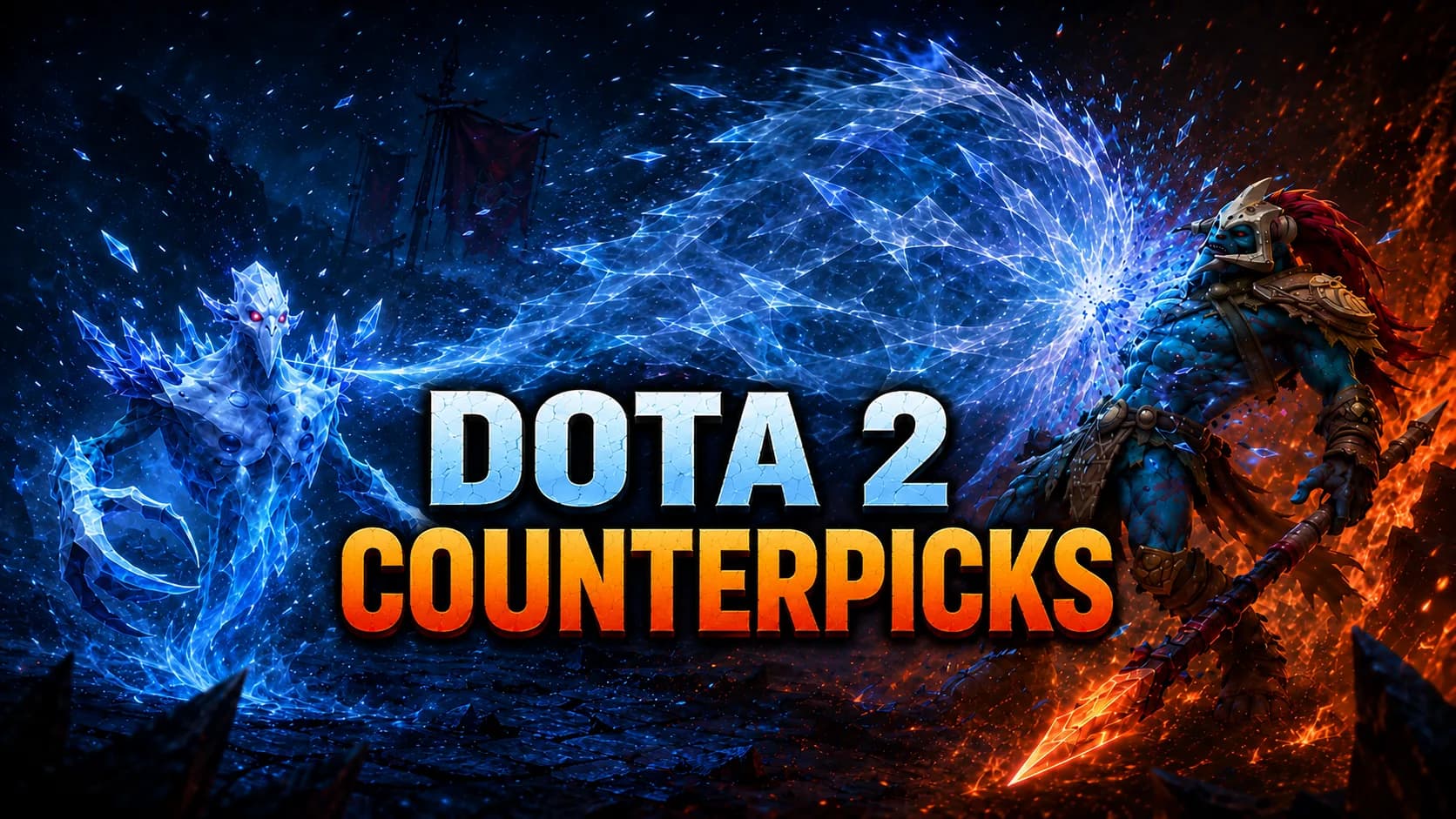
In Dota 2, drafts matter far more than most players realize. A single well-chosen hero can completely disrupt the enemy game plan: mobile cores get locked down by silences, tanky frontliners melt under healing reduction, and spell-dependent heroes become useless against instant disables or Break mechanics.
That doesn’t mean counterpicking guarantees a win. A favorable matchup still won’t save bad positioning, weak laning, or poor itemization. But understanding counters makes games easier to play and gives your lineup a much clearer win condition.
A counterpick is a hero that directly limits another hero’s strengths through abilities, mechanics, or tempo.
Examples:
Good counterpicks usually target one of these:
EPL World Series: SЕA Season 18
Today 09:00
 Inter Active PhilippinesIvory
P Universe: CQ
Tomorrow 20:00
 MOUZNemiga Gaming
Dota has answers for almost every mechanic in the game. Sometimes the solution is a hero, sometimes it’s an item.
| Problem | Typical Counter |
|---|---|
| Enemy has evasion | Monkey King Bar, Bloodthorn |
| Heavy healing or regeneration | Spirit Vessel, Eye of Skadi, Ancient Apparition |
| Passive abilities are too strong | Silver Edge, Viper |
| Mobile heroes escaping fights | Silences, roots, instant disables |
| Illusion spam | AoE damage and wave clear |
| Single-target burst | Save supports and defensive items |
Understanding why a hero is strong matters more than memorizing random counters.
| Enemy Type | Best Answers | Hero Examples |
|---|---|---|
| Tanks sustain heroes | Break, healing reduction, armor reduction, percentage damage | Viper, Ancient Apparition, Necrophos, Slardar, Lifestealer |
| Invisible heroes | True Sight | Slardar, Bounty Hunter, Zeus |
| Mobile heroes | Silences, roots, instant disables | Disruptor, Lion, Shadow Shaman, Legion Commander |
| Illusion heroes | Cleave, AoE damage | Earthshaker, Leshrac, Sand King, Axe |
| Heavy magic damage | Magic resistance, BKB, silences | Anti-Mage, Silencer, Rubick |
| Single-target burst | Saves, dispels, defensive utility | Oracle, Dazzle, Abaddon, Shadow Demon |
Strength heroes usually function as initiators or frontliners. Most of them survive through raw HP, sustain, or durability mechanics, which means regular damage often isn’t enough.
| Hero | Why They’re Dangerous | Strong Counters |
|---|---|---|
| Bristleback | Extremely hard to kill from the back | Viper, Legion Commander, Hoodwink |
| Centaur Warrunner | Durable initiator with team mobility | Ursa, Lifestealer, Necrophos, Disruptor |
| Tidehunter | Teamfight control and damage reduction | Rubick, Viper, Hoodwink |
| Axe | Punishes grouped heroes and melee carries | Oracle, Shadow Demon, Abaddon |
| Huskar | Huge sustain and lane pressure | Ancient Apparition, Necrophos, Viper |
| Alchemist | Fast farming and high regeneration | Ancient Apparition, Slardar, Timbersaw |
One common mistake against tanky heroes is overcommitting too early. In many fights, it’s smarter to kill supports first, kite BKB duration, or force positioning mistakes instead of tunneling the frontline.
Most Agility heroes scale heavily with farm, attack speed, mobility, or illusions. The best way to beat them is often to pressure their timing windows before they fully come online.
| Hero | Why They’re Dangerous | Strong Counters |
|---|---|---|
| Phantom Assassin | Crit burst and evasion | Axe, Legion Commander, Lion, Shadow Shaman |
| Anti-Mage | Split pushing and mana burn | Bloodseeker, Axe, Lion |
| Slark | Hard to lock down, dispels debuffs | Doom, Disruptor, Enigma |
| Morphling | High survivability through Attribute Shift | Ancient Apparition, Doom |
| Medusa | Extremely durable in late fights | Anti-Mage, Nyx Assassin, Lion |
| Phantom Lancer / Naga Siren | Overwhelming illusion spam | Earthshaker, Leshrac, Sand King |
Against Agility carries, lockdown is often more important than raw damage. If heroes like Slark or Morphling get to freely use their abilities, fights become much harder.
Items matter too:
Intelligence heroes usually rely on magic damage, control, or tempo. Most of them are vulnerable to silences, mana pressure, and direct jump heroes.
| Hero | Why They’re Dangerous | Strong Counters |
|---|---|---|
| Storm Spirit | High mobility and pickoff potential | Lion, Doom, Disruptor, Nyx Assassin |
| Zeus | Massive long-range magic damage | Anti-Mage, Spectre, Clockwerk |
| Tinker | Wave clear and map pressure | Spirit Breaker, Night Stalker, Nyx Assassin |
| Invoker | Flexible toolkit with high utility | Doom, Silencer, Puck, Storm Spirit |
| Leshrac | Sustained AoE magic damage and push | Anti-Mage, Lifestealer, Juggernaut |
| Queen of Pain | Mobile burst mage | Puck, Doom, Night Stalker |
Against magic-heavy lineups, items are often just as important as hero picks:
Universal heroes scale from all attributes, which makes them flexible and difficult to itemize against. Since they can fill multiple roles, it’s usually better to counter their function rather than the attribute itself.
| Hero | Why They’re Dangerous | Strong Counters |
|---|---|---|
| Windranger | Focus Fire burst and evasion | Axe, Bane |
| Pangolier | Constant mobility and control | Bloodseeker, Doom, Disruptor |
| Bane | Long-duration disables through BKB | Rubick, Silencer, Lion |
| Void Spirit | Mobile burst damage | Lion, Doom, Night Stalker |
| Marci | Explosive physical damage | Disruptor, Oracle, Shadow Demon |
| Snapfire | Huge teamfight damage from long range | Clockwerk, Storm Spirit, Silencer |
Counterpick trends change constantly depending on patches, item balance, and pro meta. The best approach is checking several sources instead of relying on outdated tier lists.
Useful resources:
A good draft still matters, but understanding why heroes counter each other matters even more.
Counterpicks in Dota 2 are less about “hard counters” and more about understanding mechanics, timings, and win conditions. Some heroes struggle against silences, others against Break, sustain reduction, or wave clear. The better you understand those interactions, the easier drafting becomes.
And if you enjoy analyzing matchups, drafts, and team tendencies beyond your own games, Winio is worth checking out. The platform uses AI-driven esports predictions and statistical analysis to break down pro matches, team form, and draft trends across competitive titles.

Inter Active Philippines
Ivory
MOUZ
Nemiga Gaming

Team Yandex

LGD Gaming

Aurora Gaming

1w Team
Inter Active Philippines
Ivory
MOUZ
Nemiga Gaming
Team Yandex
LGD Gaming
Aurora Gaming
1w Team
Inter Active Philippines
Ivory
MOUZ
Nemiga Gaming
Team Yandex
LGD Gaming
Aurora Gaming
1w Team