PGL Wallachia Season 9 Results: Team Yandex Win, NAVI Surprise
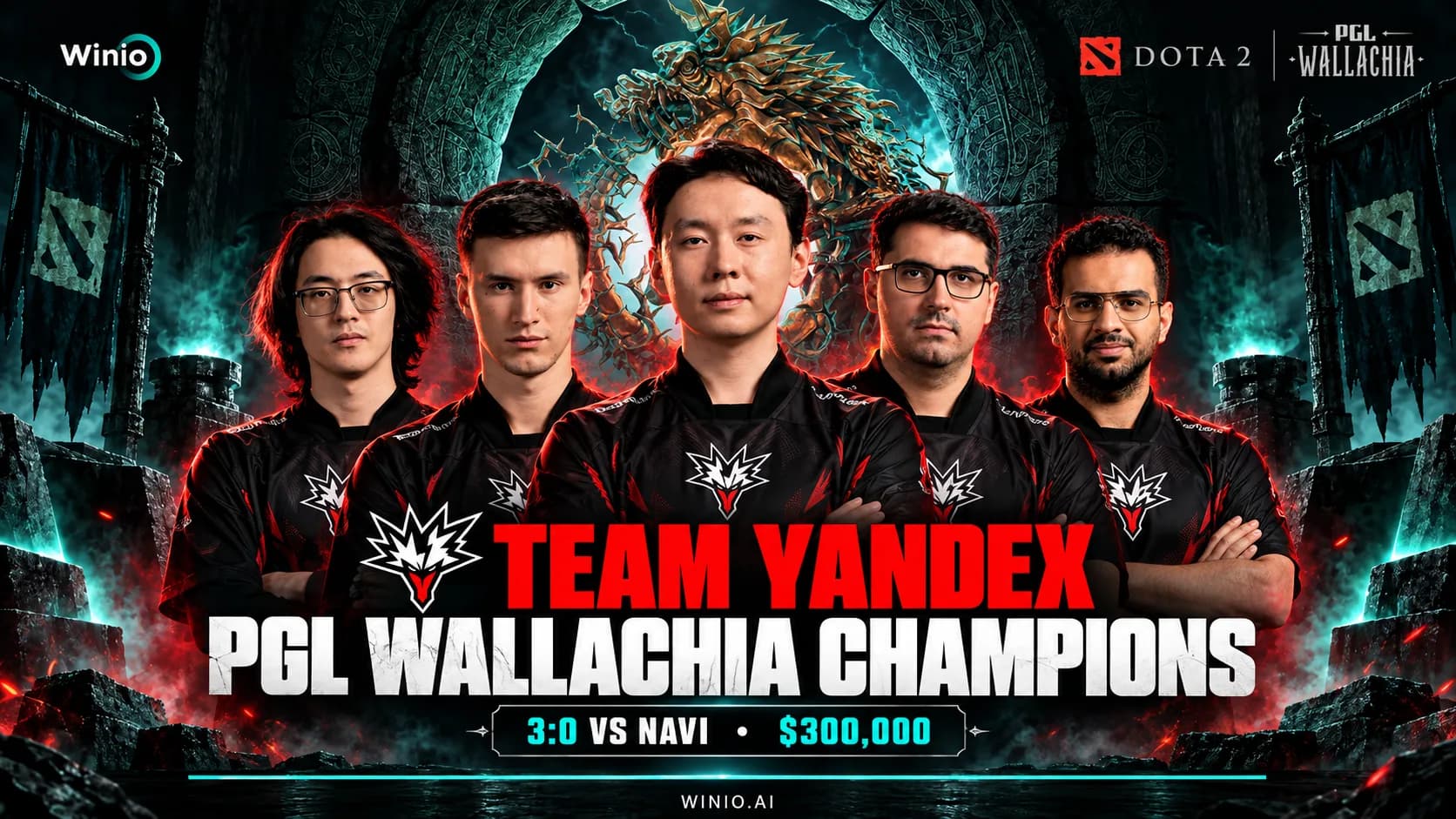
Team Yandex swept NAVI 3:0 to win PGL Wallachia Season 9. We analyze the champions, NAVI’s final run, surprises and disappointments.
September 28, 202607:28 AM8 min


Snapfire is one of the most versatile and flexible heroes in Dota 2. She can be played both as a support and as a core. The hero has access to massive magical and physical damage, as well as extremely strong talents. In this guide, we’ll break down Snapfire’s abilities, item builds, counters, and synergies in Dota 2.
Snapfire is a ranged universal hero most commonly played as a support. She offers strong damage output and crowd control while dealing both magical and physical damage.
As a support, she is usually built with utility and save items. In core roles, however, Snapfire heavily depends on experience because every new talent significantly increases her power. Core Snapfire typically builds items that improve attack damage, attack range, and survivability.
Snapfire’s greatest strength is her damage. No matter whether you choose a magical or physical build, the hero can deal enormous amounts of damage. Her ultimate ability allows her to contribute from a very long distance without exposing herself to danger.
BLAST SLAM VIII
Today 12:00
 Team SpiritAurora Gaming
BLAST SLAM VIII
Today 15:30
 1w TeamPARIVISION
Her biggest weakness is low survivability and limited escape potential. To fully utilize her ultimate, Snapfire needs proper positioning. Any stun or silence can easily interrupt her ultimate, which makes her vulnerable against heroes that jump into the backline or disable her from afar.
Scatterblast – Snapfire fires a blast in a cone-shaped area, dealing 100/160/220/280 magical damage and slowing enemies. If targets are close to her, the damage is increased by 30%, and the slow becomes stronger. This is one of the best laning abilities for trading, especially against melee heroes.
The ability is improved with the Level 10 talent that grants +70 Scatterblast damage.
Firesnap Cookie – Snapfire throws a cookie at herself or an ally. The target jumps forward and deals 75/150/225/300 magical damage upon landing while stunning enemies in a 300-radius area for 1/1.4/1.8/2.2 seconds.
The ability is enhanced by:
It also gains additional effects with Aghanim's Shard:
Lil’ Shredder – Snapfire prepares a series of enhanced shots. The ability deals five quick attacks, each dealing 20/35/50/65 damage plus 35% of the hero's base attack damage. It also increases the attack range by 160/240/320/400 and reduces the target's armor by 0.5 for each hit.
It is improved by a talent at level 15, which gives +2 to the number of attacks, a talent at level 20, which gives +2 to the number of targets, and a talent at level 25, which gives +60% damage from attacks.
Mortimer Kisses – Ultimate ability Snapfire. The hero fires a series of eight projectiles from 600 to 3000 units over a period of 5.5 seconds. Each projectile deals 180/270/360 damage on impact and leaves a pool of fire that slows down and deals 60/80/100 periodic damage.
It is improved by a talent at level 10, which gives +35 to the damage from the puddle at Mortimer Kisses, and a talent at level 25, which gives +8 to the number of balls during the duration of the ultimate.
Gobble Up и Spit Out – After purchasing Aghanim's Scepter, Snapfire gains two new abilities. Gobble Up allows Snapfire to swallow allied heroes or creeps for up to 3 seconds. Spit Out allows you to spit out a creature that will fly up to 3000 meters and deal damage equal to one ultimate ball upon landing, as well as stun everyone within a 400-meter area for 1.2 seconds.
Boomstick increases Snapfire’s damage depending on her distance from the target.
This means Snapfire benefits greatly from fighting at close range.
An interesting interaction: Dota 2 calculates projectile damage when the projectile hits the target, not when it is fired. This means you can theoretically cast the last shots of your ultimate and then use Blink Dagger to jump closer to enemies. The projectiles that land afterward will deal increased damage based on your new position.
The hero has strong talents for both support and core roles.
Most often they take:
It's quite easy to remember the logic. All left-side talents are taken on the support, and all right-side talents are taken on the core. For the core, the main talents are the three talents on Lil' Shredder, which provide a total of +2 to the number of attacks, +2 to the number of targets, and +60% to the damage from attacks on Lil' Shredder.
Snapfire’s build depends heavily on her role. The hero is most commonly played as:
This is the safest and most reliable version of the hero. Snapfire wants to fight whenever her ultimate is available, stay behind teammates, and deal damage with Mortimer Kisses. During the laning phase, she trades effectively using Scatterblast and Lil’ Shredder.
Common Support Items:
These items provide mana sustain, positioning tools, saves, and utility for every team fight.
When played aggressively, Snapfire’s build revolves around attack damage, tempo, and maximizing Lil’ Shredder. The hero scales extremely well with experience, so mid lane is usually preferred to maximize talent progression.
Common Core Items:
This build allows Snapfire to deal devastating damage with a single Lil’ Shredder cast. With Divine Rapier, she can potentially wipe an entire enemy team almost instantly.
Snapfire works best with heroes that can reliably lock enemies in place.
Great teammates include:
If teammates provide strong crowd control, Snapfire can safely channel Mortimer’s Kisses and deal huge amounts of damage.
Cookie also synergizes perfectly with aggressive initiators by extending their lockdown.
Snapfire struggles against heroes that quickly close the gap or interrupt her ultimate:
Snapfire performs especially well against melee and tanky heroes that can be kited and slowed from a safe distance.
Snapfire is a relatively slow hero who depends heavily on positioning. Without teammates nearby, she easily becomes a target for enemy initiators. Because of this, Snapfire should move together with her team and maintain safe positioning before fights begin.
Snapfire’s abilities require precision. Firesnap Cookie must be used carefully because it launches allies in the direction they are moving. Poor timing can accidentally throw a teammate into danger. Mortimer’s Kisses projectiles travel slowly, so players need to predict enemy movement and aim ahead of targets.
Snapfire is a very strong and enjoyable hero for those who like to stand in position and help their allies from behind. She has powerful skills that deal a lot of physical and magical damage. However, she is still a vulnerable support who must avoid enemy initiators in order to survive in combat.
To successfully position yourself and attack the right opponents, you need to properly analyze your opponent's pick and understand which heroes are your priorities. This is how our team works; we provide AI-based predictions for esports matches based on player and team statistics. Visit Winio and claim your 2 free predictions.

Team Spirit
Aurora Gaming
1w Team
PARIVISION
Team Spirit
Aurora Gaming
1w Team
PARIVISION
Team Spirit
Aurora Gaming
1w Team
PARIVISION